
UXO Detection That Tells Ordnance from Scrap Metal
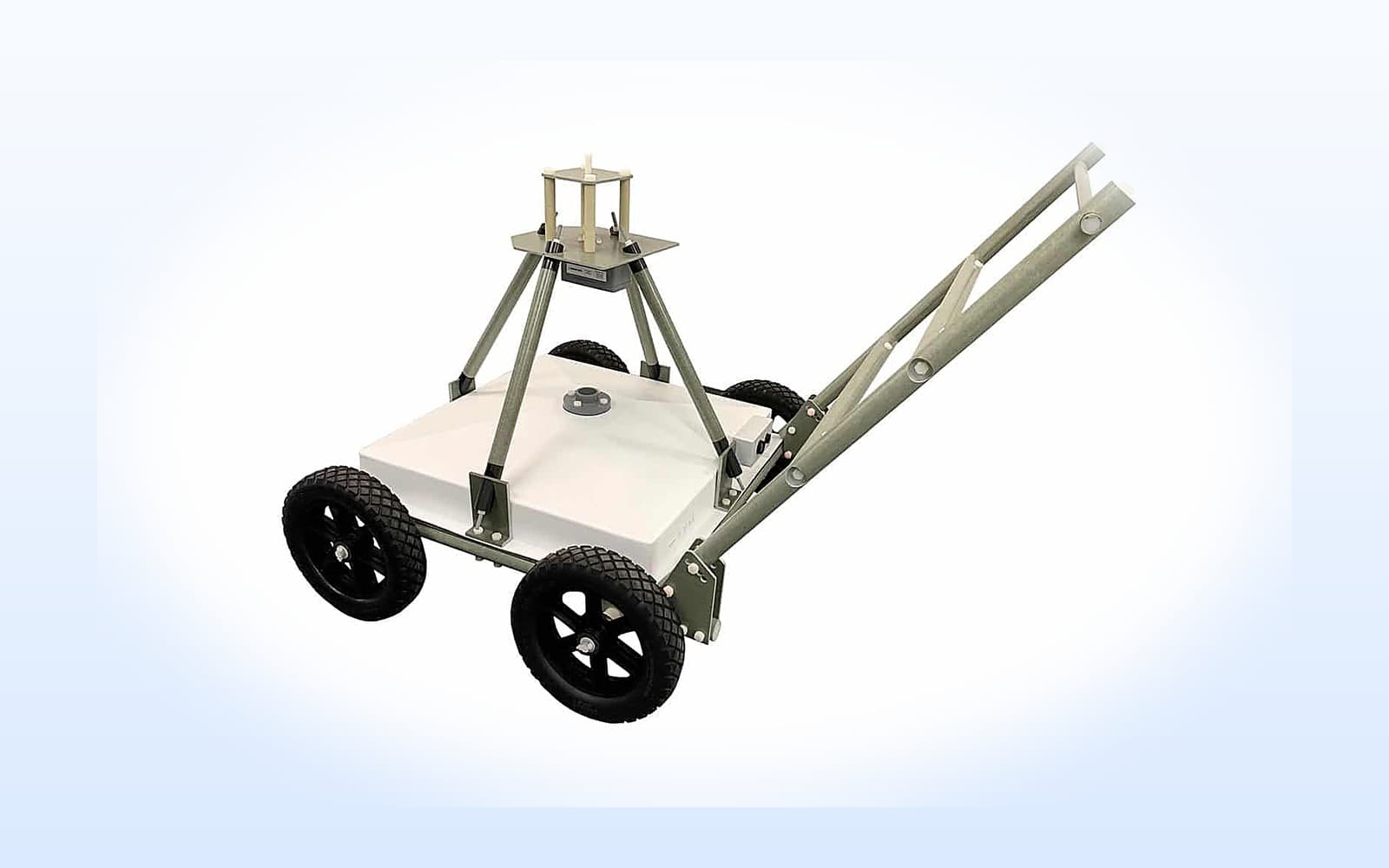
Geometrics MetalMapper 2x2 doesn't just find metal underground — it can tell unexploded ordnance (UXO) apart from ordinary scrap. So your team only digs what's genuinely dangerous: safer and faster.
The problem: digging every piece of metal is slow, costly, and dangerous
On former conflict or military training land, unexploded ordnance (UXO) can be buried anywhere. Ordinary metal detectors do find metal — but can't tell a bomb from a nail or old scrap. So teams must excavate every metal hit one by one: slow, expensive, and every dig carries risk.
Ordinary detectors only find. MetalMapper classifies.
MetalMapper 2x2 records the 'shape' of buried metal from multiple directions, then recognizes whether it's UXO or just scrap — a capability called classification. In Indonesia, practically only MetalMapper can do this.
| Aspect | Ordinary Metal Detector (e.g. EM61) | MetalMapper 2x2 (classification) |
|---|---|---|
| What it can do | Only detects that metal is present | Detects + tells UXO from scrap |
| Number of digs | Many (every metal hit dug up) | Few (only the dangerous ones) |
| Safety & cost | Riskier & more expensive | Safer & cheaper |
How MetalMapper works
Scan the site
The sensor cart is rolled over the ground to read the electromagnetic field.
Record from many angles
The sensor captures the metal's response from multiple directions, not one point.
Recognize the shape
Software analyzes size and shape to infer the type of object.
Decide dig / no-dig
The result: a list of targets that genuinely need to be excavated.
What you get
Buried-metal locations
A map of metal targets beneath the site.
UXO-vs-scrap classification
An assessment of whether a target is ordnance or junk metal.
Fewer wasted digs
Focus only on the dangerous targets.
A safer site
Faster clearance with lower risk.
Who it's for
MetalMapper matters to anyone working on UXO-risk land:
Complete it: sweep fast first, then classify with MetalMapper
Ordinary metal detectors are fine for a fast, broad initial sweep. For the decision stage — which targets are UXO and which are scrap — use MetalMapper so digging stays focused and safe.
Field proof
We're preparing an Indonesian UXO survey case study — how MetalMapper separated dangerous targets from scrap and cut the number of digs. Have a land-clearance project? Contact us for a consultation or demo.
Why Jatific
Request a Consultation or Demo
Tell us your site and land-clearance needs — our technical team will get back to you.
Frequently Asked Questions
- What is UXO?
- UXO (unexploded ordnance) is explosive material — such as a bomb, mortar, or munition — that was fired or dropped but did not detonate. It remains dangerous and can explode if disturbed.
- How is MetalMapper different from an ordinary metal detector?
- An ordinary detector only tells you metal is present underground. MetalMapper records the response from many directions and estimates the object's size and shape, so it can tell UXO from scrap metal. This is called classification.
- Why does classification matter?
- Without classification, a team has to dig every metal hit — yet most are just old scrap. Classification cuts the number of unnecessary digs, saving cost and reducing risk.
- Where is MetalMapper typically used in Indonesia?
- For land clearance before construction in former conflict or military-training areas (e.g. Papua, Maluku), infrastructure projects, and sites that require safety from leftover ordnance.
- Does Jatific provide training?
- Yes. Jatific provides consultation, demos, operator training, and after-sales support for MetalMapper across Indonesia.