
Survei IP Daya Tinggi untuk Target Mineral yang Dalam dan Luas
Untuk menemukan badan mineral yang dalam dan tersebar, survei IP butuh daya besar dan banyak titik ukur sekaligus. Transmitter IRIS sampai 12 kW dipadu receiver FullWaver terdistribusi merekam sinyal lengkap di banyak titik — penetrasi lebih dalam, cakupan lebih luas, data lebih kaya.
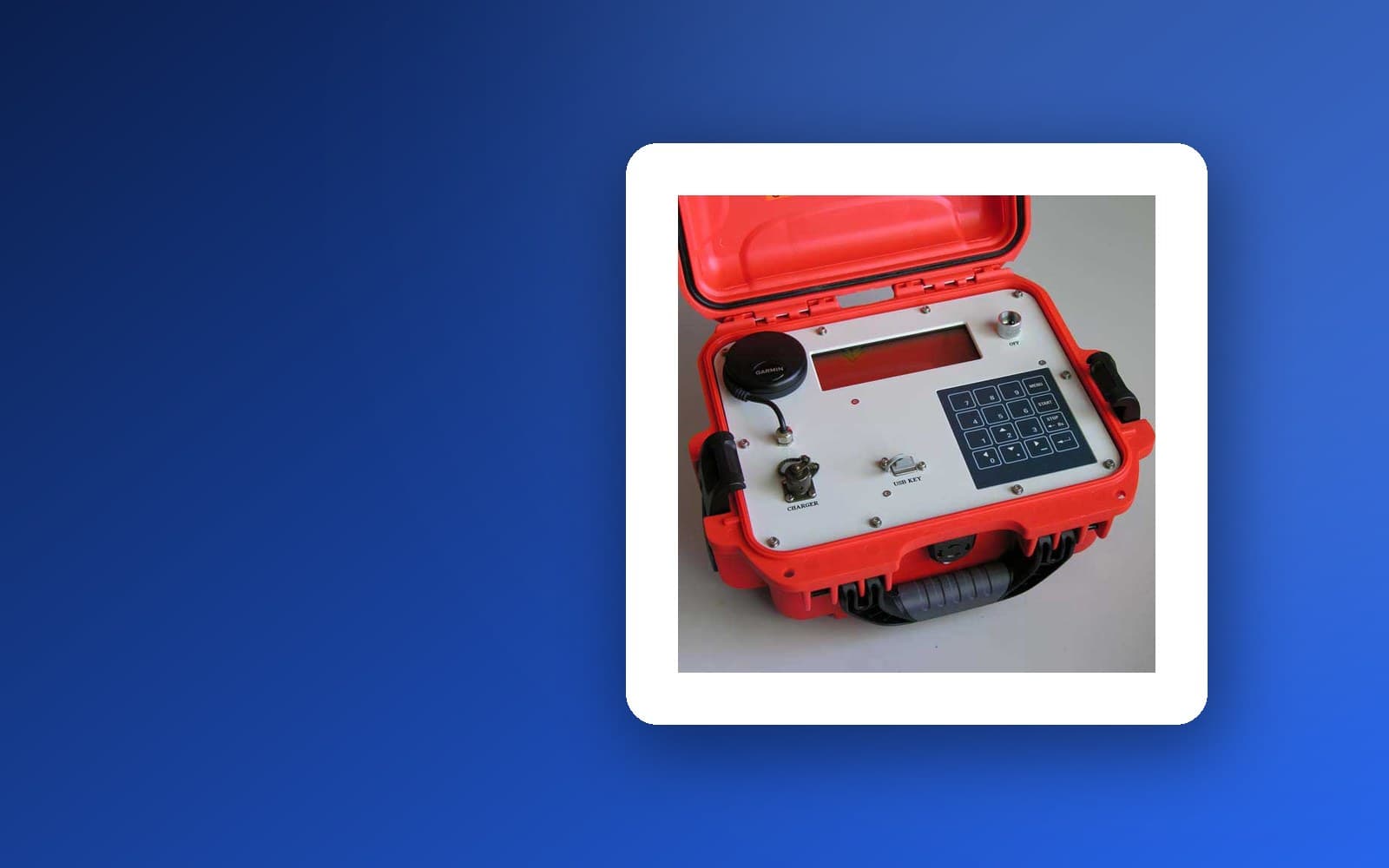
Masalahnya: IP konvensional kurang daya dan terlalu lambat untuk target dalam
Eksplorasi mineral sering mengejar badan sulfida yang dalam dan tersebar. IP konvensional dengan kabel panjang dan satu lintasan sekali jalan terbatas dayanya, dangkal jangkauannya, dan lambat menutup area luas. Akibatnya target dalam terlewat dan biaya survei membengkak.
Sekali lintasan berdaya kecil, atau banyak titik berdaya besar.
IP daya tinggi IRIS menginjeksi arus besar (sampai 12 kW) sementara receiver FullWaver yang tersebar merekam sinyal penuh di banyak titik sekaligus, tersinkron GPS. Kelas daya tinggi ini hampir tidak dibawa distributor lain di Indonesia.
| Aspek | IP Konvensional (kabel, 1 lintasan) | IP Daya Tinggi IRIS (FullWaver) |
|---|---|---|
| Daya injeksi | Terbatas | Sampai 12 kW — sinyal kuat di tanah konduktif |
| Kedalaman | Dangkal–menengah | Lebih dalam |
| Cakupan | Satu lintasan sekali jalan | Banyak titik terdistribusi sekaligus |
| Data | Nilai ringkas | Sinyal penuh (full-waveform) di tiap titik |
Bagaimana survei IP daya tinggi bekerja
Injeksi arus besar
Transmitter TIP menyuntikkan arus tinggi (sampai 12 kW) ke dalam tanah.
Sebar receiver
Unit FullWaver ditempatkan tersebar di banyak titik area survei.
Rekam sinyal penuh
Tiap receiver merekam sinyal lengkap secara mandiri, tersinkron GPS.
Olah 3D
Data diproses menjadi penampang/volume chargeabilitas & resistivitas.
Apa yang Anda dapatkan
Peta chargeabilitas & resistivitas
Sebaran respons IP yang menandai mineral terdiseminasi.
Penetrasi lebih dalam
Daya tinggi menjangkau target di kedalaman besar.
Cakupan area luas
Banyak titik terdistribusi menutup area lebih cepat.
Target sulfida/mineral
Membantu memetakan badan mineral untuk pengeboran.
Untuk siapa
Survei IP daya tinggi penting bagi yang mengeksplorasi mineral dalam dan luas:
Lengkap: padukan IP dengan resistivitas SYSCAL & magnetik
FullWaver dan transmitter TIP berpadu dengan sistem resistivitas SYSCAL dalam satu ekosistem IRIS. Untuk pendekatan multi-metode, survei magnetik drone melengkapi gambaran struktur bawah permukaan.
Bukti lapangan
Kami sedang menyiapkan studi kasus survei IP daya tinggi di Indonesia — bagaimana kombinasi transmitter 12 kW dan FullWaver memetakan target mineral yang dalam. Punya area eksplorasi? Hubungi kami untuk konsultasi atau demo.
Mengapa Jatific
Minta Konsultasi atau Demo
Ceritakan target dan luas area eksplorasi Anda — tim teknis kami akan menghubungi Anda.
Pelajari lebih lanjut
Pertanyaan Umum
- Apa itu survei IP (polarisasi terinduksi)?
- IP (induced polarization) mengukur kemampuan batuan menyimpan muatan listrik sesaat. Mineral logam terdiseminasi (mis. sulfida) memberi respons IP khas, sehingga metode ini banyak dipakai untuk eksplorasi mineral.
- Kenapa butuh daya tinggi?
- Target mineral yang dalam atau berada di tanah konduktif membutuhkan arus injeksi besar agar sinyal cukup kuat terbaca di permukaan. Transmitter IRIS sampai 12 kW memberi penetrasi dan rasio sinyal-noise yang lebih baik.
- Apa itu FullWaver?
- FullWaver adalah receiver IP terdistribusi yang merekam sinyal lengkap (full-waveform) secara mandiri di banyak titik sekaligus, tersinkron GPS — sehingga survei IP besar dan dalam lebih efisien dibanding kabel konvensional.
- Apakah bisa dipadukan dengan resistivitas?
- Ya. Transmitter TIP dan FullWaver berada dalam satu ekosistem IRIS bersama sistem resistivitas SYSCAL, sehingga resistivitas dan IP bisa diperoleh dalam alur kerja yang sama.
- Apakah Jatific menyediakan pelatihan?
- Ya. Jatific menyediakan konsultasi, demo, pelatihan operator, dan dukungan purna jual untuk sistem IP IRIS di seluruh Indonesia.